WORTH READING /

The Strategic Advantage of Specialized HMI Suppliers in Mission-Critical Applications

In defense contracting and aerospace manufacturing, procurement decisions typically favor established industry giants. However, Tier 1 system integrators and platform manufacturers are discovering that smaller, specialized HMI suppliers deliver unique advantages that large corporations cannot match.

Agility vs. Bureaucracy: Critical Time-to-Market Advantage
Large HMI manufacturers operate within complex organizational structures that significantly slow decision-making and product development cycles. A design modification requiring weeks at major corporations can be executed within days by specialized suppliers.
This advantage becomes mission-critical in scenarios like UAV programs where field testing reveals display brightness adjustments needed for desert operations, or armored vehicle projects where combat feedback indicates interface modifications could reduce crew response time by crucial seconds. A six-week modification cycle versus six months can mean the difference between meeting deployment deadlines and missing critical operational windows.
Defense contracts include strict milestone schedules with significant penalties for delays. When Boeing or Lockheed Martin faces tight delivery schedules, their suppliers’ ability to compress development timelines directly impacts program success. Specialized HMI providers can compress traditional 12+ month development cycles into 5+ months through streamlined processes and focused engineering resources.
Rapid prototyping capabilities represent another dimension of this advantage. While large manufacturers require formal project initiation processes, specialized suppliers can begin prototype development within days of requirement definition. This enables design engineers to evaluate concepts quickly and make informed decisions early, preventing costly changes later in the program lifecycle.

Customization Capabilities: Tailored Solutions vs. One-Size-Fits-All
Major display manufacturers focus on high-volume applications where standardized products can be produced efficiently for large markets. This approach works for commercial applications but creates limitations in defense and aerospace markets where unique requirements are the norm.
Specialized HMI suppliers build business models around customization, developing engineering capabilities and manufacturing processes designed to handle unique requirements efficiently. This includes custom form factors, specialized environmental hardening, unique interface protocols, and application-specific human factors optimization.
For flight simulator applications, this might mean developing displays with specific viewing angles and color characteristics matching particular aircraft cockpit environments. For naval applications, customization might involve unique shock and vibration specifications or specialized corrosion resistance for marine environments.
The economic model of smaller suppliers often makes low-to-medium volume custom projects financially viable, whereas large manufacturers may require minimum order quantities exceeding typical defense program requirements.

Technical Focus and Deep Expertise
While large corporations may have broader technology portfolios, specialized HMI suppliers concentrate engineering resources on specific technological domains, often resulting in deeper expertise and more innovative solutions within their focus areas. This concentrated expertise becomes particularly valuable in rugged display applications requiring mastery of complex interactions between environmental hardening, optical performance, and human factors engineering.
Companies like Aeromaoz exemplify this focused approach, concentrating engineering efforts specifically on rugged HMI solutions for mission-critical environments. This specialization enables deeper understanding of unique challenges in military aviation, armored vehicle, and UAV applications, resulting in solutions optimized for these demanding environments rather than generic products adapted for military use.

Direct Relationships and Customer Service Excellence
Large HMI manufacturers serve customers through multiple organizational layers including sales representatives, application engineers, customer service departments, and technical support teams. While this structure provides coverage and resources, it can create communication barriers and reduce responsiveness.
Specialized suppliers often provide direct access to senior technical personnel and decision-makers, enabling more effective problem-solving and faster resolution of technical issues. When critical problems arise during system integration or field deployment, having immediate access to engineers who designed the solution is invaluable.
This direct relationship model enables better long-term partnership development. System integrators working on multi-year programs benefit from consistent points of contact who understand their applications, requirements, and constraints.

Cost Efficiency and Value Engineering
Contrary to assumptions about economies of scale, specialized HMI suppliers can often provide more cost-effective solutions for defense and aerospace applications. Large manufacturers must amortize significant overhead costs across product lines, including expenses related to multiple business units, extensive management structures, and diverse market segments. Specialized suppliers maintain focused overhead structures aligned specifically with their target markets.
The customization capabilities of smaller suppliers can eliminate the need for customers to over-specify requirements to fit available standard products. When naval applications require specific environmental performance characteristics, custom solutions optimized for exact requirements can be more cost-effective than standard products designed for more demanding specifications.

Risk Mitigation Through Partnership Approach
Working with specialized HMI suppliers often involves collaborative partnership approaches compared to traditional vendor relationships with large corporations. Technical risk reduction occurs through closer collaboration during design and development phases, with specialized suppliers typically investing more engineering resources per customer relationship.
Supply chain risk management becomes more transparent and manageable with smaller suppliers who provide detailed visibility into component sourcing, manufacturing processes, and quality control procedures. Program continuity benefits from the stability and focus characterizing successful specialized suppliers.

Strategic Considerations and Conclusion

The decision between large established suppliers and specialized HMI providers should consider both immediate program requirements and long-term strategic objectives. For mission-critical applications requiring specialized performance characteristics, custom configurations, or responsive engineering support, specialized suppliers often provide superior value propositions.
The defense and aerospace industries increasingly recognize that bigger doesn’t always mean better for HMI solutions in mission-critical applications. Specialized suppliers offer unique advantages in agility, customization, technical focus, customer service, and cost efficiency that provide significant value for appropriate applications. Success in military aviation, armored vehicle, UAV, and naval applications often depends on suppliers who understand unique environmental requirements and can provide responsive, tailored solutions.

WORTH READING /

Engineering Excellence in Harsh Environments: How Aeromaoz Designs for Reliability and Performance

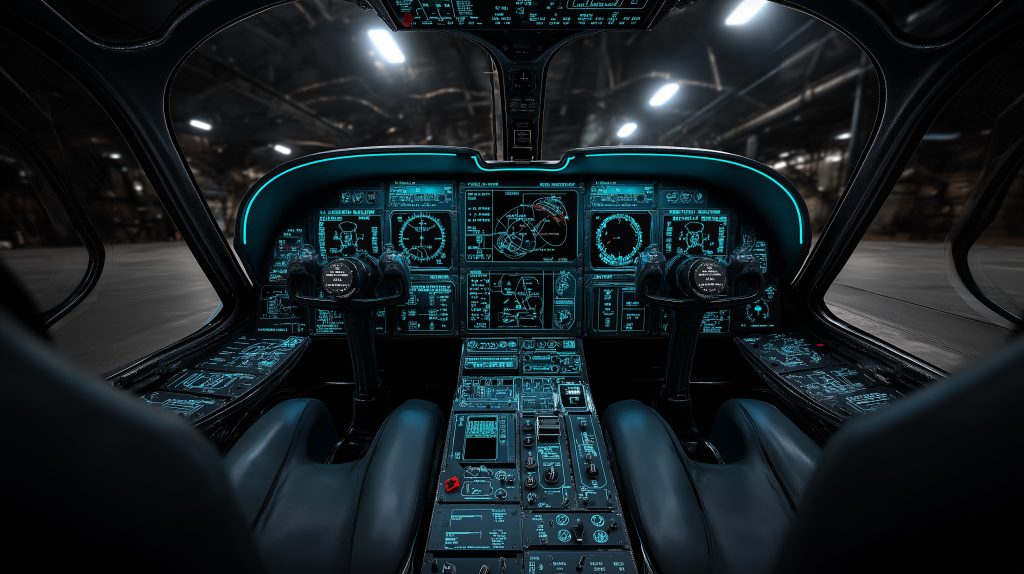
In mission-critical environments where system failure is not an option, rugged HMI solutions become the deciding factor between success and catastrophic failure. From military aircraft cockpits to armored vehicle command centers, human-machine interfaces must perform flawlessly under the most demanding conditions imaginable.

The Imperative of Reliability
Modern military and commercial aviation systems, military ground vehicles, UAVs, flight simulators, and naval solutions operate in environments that would destroy conventional electronics within minutes. Temperature fluctuations from -40°C to +85°C, violent vibrations exceeding 10G, electromagnetic interference, salt spray corrosion, and dust infiltration represent just a fraction of the challenges these systems must overcome.
The stakes are critical. In military operations, a malfunctioning panel or display can compromise an entire mission. In commercial aviation, unreliable interfaces can endanger hundreds of lives. For system integrators like Thales, Honeywell, Elbit Systems, BAE Systems, Rockwell Collins, L3 Harris, and Leonardo DRS, partnering with suppliers who understand these realities is essential.

Multidisciplinary Engineering Excellence
Achieving excellence in harsh environments requires seamlessly integrating mechanical, electrical, thermal, and software engineering disciplines. Mechanical engineers focus on structural integrity, designing control boxes that withstand extreme stress while maintaining precise tolerances. Thermal engineers develop sophisticated heat dissipation strategies, electrical engineers design circuits that maintain signal integrity in high-EMI environments, and software engineers create intuitive interfaces that remain responsive under system stress.
Aeromaoz’s multidisciplinary engineering team exemplifies this integrated approach, bringing together decades of combined experience in developing rugged HMI solutions for the world’s most demanding applications.

End-to-End Development Process
The journey from concept to deployment-ready systems involves a meticulously orchestrated development process beginning with comprehensive requirements analysis. Engineers work closely with system integrators and end users to understand not just what the system must do, but how it must perform under real-world conditions.

Advanced Design and Prototyping
The design phase leverages advanced CAD tools and Finite Element Analysis to predict system behavior under various stress conditions. Engineers create detailed thermal models, vibration analyses, and electromagnetic compatibility studies before building the first prototype. This front-loaded approach prevents costly redesigns and ensures fundamental performance characteristics are engineered from the ground up.
Rapid prototyping techniques, including 3D printing and CNC machining, allow engineers to quickly iterate through design concepts and validate core assumptions early in the development cycle.

Comprehensive Environmental Testing
Environmental testing subjects systems to conditions exceeding their operational requirements, ensuring robust performance with built-in safety margins. Temperature cycling tests verify components can withstand thermal expansion and contraction. Vibration testing using electrodynamic shakers simulates harsh mechanical environments. Humidity and salt spray testing validate performance in maritime conditions.
Electromagnetic compatibility testing verifies systems can operate in strong electromagnetic fields without interfering with other critical systems—particularly crucial for military aviation and UAV applications where multiple electronic systems must coexist.

Real-World Performance Excellence
True engineering excellence is measured in real-world performance across diverse operational environments:
Military Aviation: Displays must remain readable under direct sunlight while maintaining accuracy during high-G maneuvers. Combat aircraft in desert environments may experience ambient temperatures exceeding 60°C.
Naval Applications: Salt spray corrosion, constant vibration from ship engines, and extreme weather conditions create unique challenges requiring specialized solutions.
Armored Vehicles: Systems must withstand weapon firing shock while maintaining precise control over critical subsystems.
UAV Systems: Face extreme temperature variations during altitude changes combined with ultra-reliable performance requirements during long-duration missions where maintenance is impossible.

Operator-Centric Design
True excellence extends beyond survival in harsh environments to seamlessly integrating durability with usability. The most successful systems enhance rather than hinder human performance under stress, considering how stress, fatigue, and time pressure affect human performance. Key considerations include display readability under all lighting conditions, touch interface responsiveness for gloved operation, optimized control layout preventing accidental activation, haptic feedback systems providing tactile confirmation, and redundant information presentation ensuring critical data accessibility.

Manufacturing Excellence
The transition from prototype to production requires sophisticated production capabilities and rigorous quality control. In-house manufacturing provides direct control over production processes, ensuring consistent quality while enabling rapid design changes. Advanced manufacturing techniques include precision CNC machining for structural components, automated SMT for electronics assembly, and laser welding for hermetic sealing. Quality control systems implement comprehensive testing at every production stage, using statistical process control methods and automated optical inspection systems.

Future Technologies
As mission-critical systems become increasingly complex, emerging technologies like artificial intelligence, augmented reality, and advanced sensor fusion create new opportunities for enhanced human-machine interaction. AI-powered interfaces can adapt to operator preferences, while augmented reality displays overlay critical information directly onto the operator’s field of view. Advanced sensor fusion enables comprehensive situational awareness through intuitive visual interfaces.

Why Aeromaoz Is Your Advantage from Concept to Delivery

At Aeromaoz, our mission is to ensure your platform’s HMI is robust, reliable, and mission-ready—even in the harshest conditions. But what truly sets us apart is our willingness to become your partner—sharing our knowledge and becoming engaged early, to deliver the optimal technical and commercial outcome on your HMI program.
Customers who engage us at the earliest conceptual stage—especially when preparing RFP responses—benefit from Aeromaoz’s deep, cross-disciplinary know-how in electro-optics, mechanical, electrical design and software implementation onto embedded systems. Our engineers routinely assist leading system integrators and platform manufacturers to shape and optimize the right HMI solution from day one. We openly share our design experience, insight on regulatory best-practices, and lessons learned, understanding that this transparent approach fosters trust and innovation, even as we compete for your business.

The future belongs to those who can seamlessly blend engineering excellence with deep understanding of human factors, creating rugged HMI solutions that not only withstand the harshest environments but enhance human capability within them. In this challenging landscape, the commitment to engineering excellence becomes the foundation upon which mission success is built.

WORTH READING /

NVIS Compatibility: Why Night Vision Integration Matters in Military HMI Design

Modern military operations increasingly depend on sophisticated human-machine interfaces (HMI) that must perform flawlessly across diverse operational environments. Among the most critical considerations in military HMI design is Night Vision Imaging System (NVIS) compatibility – a requirement that fundamentally shapes how interfaces are conceived, developed, and deployed in tactical environments.
At Aeromaoz, we’ve established ourselves as a global leader in developing rugged HMI systems specifically optimized for night vision integration, delivering mission-critical solutions to defense organizations worldwide.

The Critical Role of Night Vision in Military Operations

Night vision capabilities provide military personnel with decisive tactical advantages, enabling operations in low-light conditions where adversaries may be disadvantaged. However, the integration of night vision goggles with cockpit displays, control panels, and digital interfaces presents unique challenges that demand specialized design approaches.
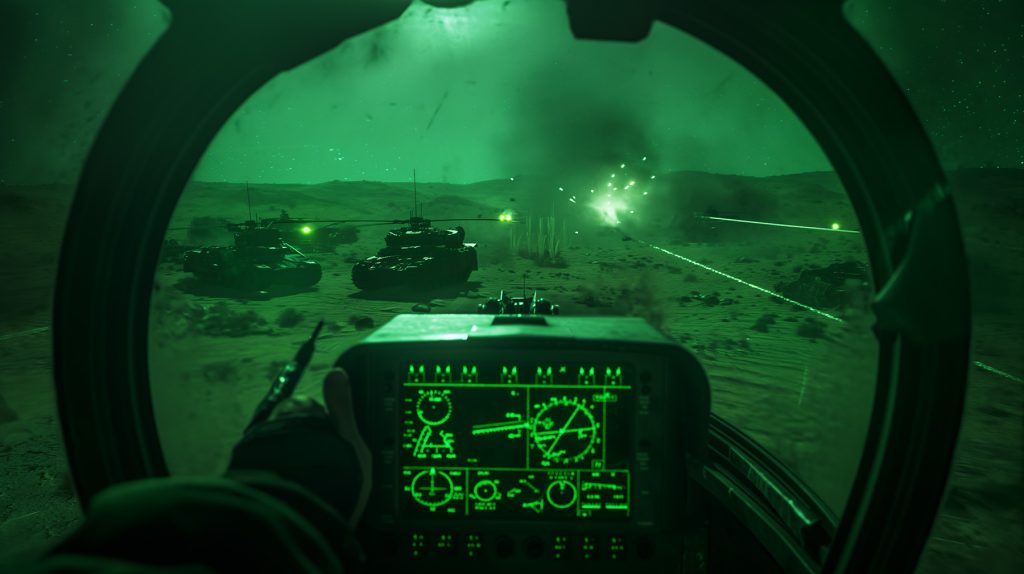
It’s crucial to understand that night vision goggles are not used to view the instruments themselves. The fundamental concept behind NVIS upgrades is that when night vision goggles are worn, the instruments will not interfere with the use of the goggles. This is similar to using multifocal glasses for reading and distance vision – you use the goggles to view far into the night environment, but you don’t look through the goggles when viewing the instruments. The instruments must be designed so they don’t emit light that would compromise the night vision capability when operators look away from the instruments to observe the external environment through their goggles.
Traditional display technologies often emit wavelengths that interfere with night vision equipment, creating halos, blooming effects, or complete washout that can compromise operational effectiveness and safety. The electromagnetic spectrum beyond human visual perception becomes crucial in these scenarios. Night vision goggles typically operate in the near-infrared range (700-900 nanometers), making them sensitive to emissions that appear invisible to the naked eye. Standard LED displays, backlighting systems, and indicator lights often produce significant near-infrared output, creating compatibility issues that can render night vision equipment ineffective or even dangerous to use.

Understanding NVIS Compatibility Standards
NVIS compatibility is governed by rigorous military standards, primarily MIL-STD-3009 and MIL-L-85762, which define acceptable emission levels and spectral characteristics for military displays and lighting systems. These standards establish specific requirements for radiance levels in both photopic (daylight) and scotopic (night vision) conditions, ensuring that interfaces remain functional without compromising night vision effectiveness.

Compliance involves careful spectral filtering and emission control across multiple wavelengths. Displays must provide sufficient luminance for normal daylight operations while maintaining near-infrared emissions below specified thresholds. This dual requirement creates a complex balancing act that influences every aspect of interface design, from component selection to software algorithms that control display brightness and contrast.

Design Challenges in NVIS-Compatible HMI Systems
Creating effective NVIS-compatible interfaces requires addressing several interconnected challenges. Color representation becomes particularly complex, as traditional red lighting – long favored for night operations – can still interfere with some night vision systems. Designers must carefully select color palettes that maintain readability and intuitive operation while remaining compatible with night vision equipment.
Contrast management presents another significant challenge. Interfaces must provide sufficient contrast for critical information recognition while avoiding excessive brightness levels that could compromise night vision functionality. This often requires dynamic brightness control systems that automatically adjust display characteristics based on ambient lighting conditions and operational modes.

Applications Beyond Military Use
While NVIS compatibility originated in military applications, these upgrades have found important uses in additional markets including search and rescue operations, police tactical units, and firefighting services. Emergency responders operating in low-light conditions benefit from the same night vision capabilities that provide tactical advantages to military personnel. Fire departments conducting operations in smoke-filled environments, search and rescue teams working during nighttime emergencies, and law enforcement tactical units all rely on night vision equipment that requires NVIS-compatible interfaces for optimal effectiveness.

Balancing Optimization Strategies

Achieving optimal NVIS compatibility requires a multi-layered approach that addresses hardware, software, and human factors considerations. Aeromaoz’s proven methodology integrates specialized spectral filtering as the most fundamental hardware solution, utilizing proprietary filters that block near-infrared emissions while preserving visible light transmission. Our filters are precisely matched to specific display technologies and operational requirements based on extensive field testing across global military deployments.
Our adaptive brightness control systems provide dynamic optimization based on operational conditions. These systems can automatically detect when night vision equipment is in use and adjust display characteristics accordingly. Aeromaoz’s advanced implementations incorporate ambient light sensors, user input, and operational mode detection to provide seamless transitions between daylight and night vision-compatible configurations.

Software algorithms play an increasingly important role in NVIS optimization. Aeromaoz’s rugged HMI systems employ sophisticated color management systems that can dynamically adjust color temperatures, saturation levels, and contrast ratios to maintain optimal visibility across different viewing conditions. Our systems implement specialized display modes that prioritize critical information while reducing overall emission levels, ensuring mission-critical performance in the most demanding environments.

Future Considerations and Emerging Technologies
The evolution of display technology continues to create new opportunities and challenges for NVIS-compatible HMI design. Organic light-emitting diode (OLED) displays offer superior contrast ratios and more precise spectral control, potentially simplifying NVIS compatibility while improving overall display quality. Aeromaoz has been at the forefront of integrating these technologies into rugged military applications, addressing considerations around power consumption, environmental durability, and long-term reliability in harsh operational environments.
Augmented reality and heads-up display technologies are increasingly integrated with military HMI systems, creating additional complexity in NVIS compatibility requirements. These systems must seamlessly blend synthetic imagery with real-world observations while maintaining compatibility with night vision equipment – a challenge that Aeromaoz’s engineering teams have mastered through unprecedented integration between display hardware, optical systems, and software algorithms.

Conclusion

NVIS compatibility represents a fundamental requirement in modern military HMI design, influencing every aspect of interface development from initial concept through operational deployment. Success requires deep understanding of both night vision technology and human factors principles, combined with systematic application of appropriate design strategies and testing methodologies.
Aeromaoz’s leadership in rugged HMI systems optimization for night vision integration stems from our comprehensive approach to these complex requirements. Our global expertise in NVIS-compatible design provides defense organizations with decisive operational advantages while ensuring the safety and effectiveness of personnel operating in challenging environments.
As military operations become increasingly dependent on sophisticated electronic systems, the importance of NVIS-compatible HMI design will only continue to grow. Aeromaoz’s proven track record as a global leader in rugged HMI optimization positions us to deliver the next generation of night vision-integrated systems that determine mission success and personnel safety in the most demanding operational scenarios.
The integration of night vision compatibility into military HMI systems is not simply a technical requirement – it represents a critical capability that Aeromaoz has mastered to provide world-class rugged solutions for defense organizations worldwide.

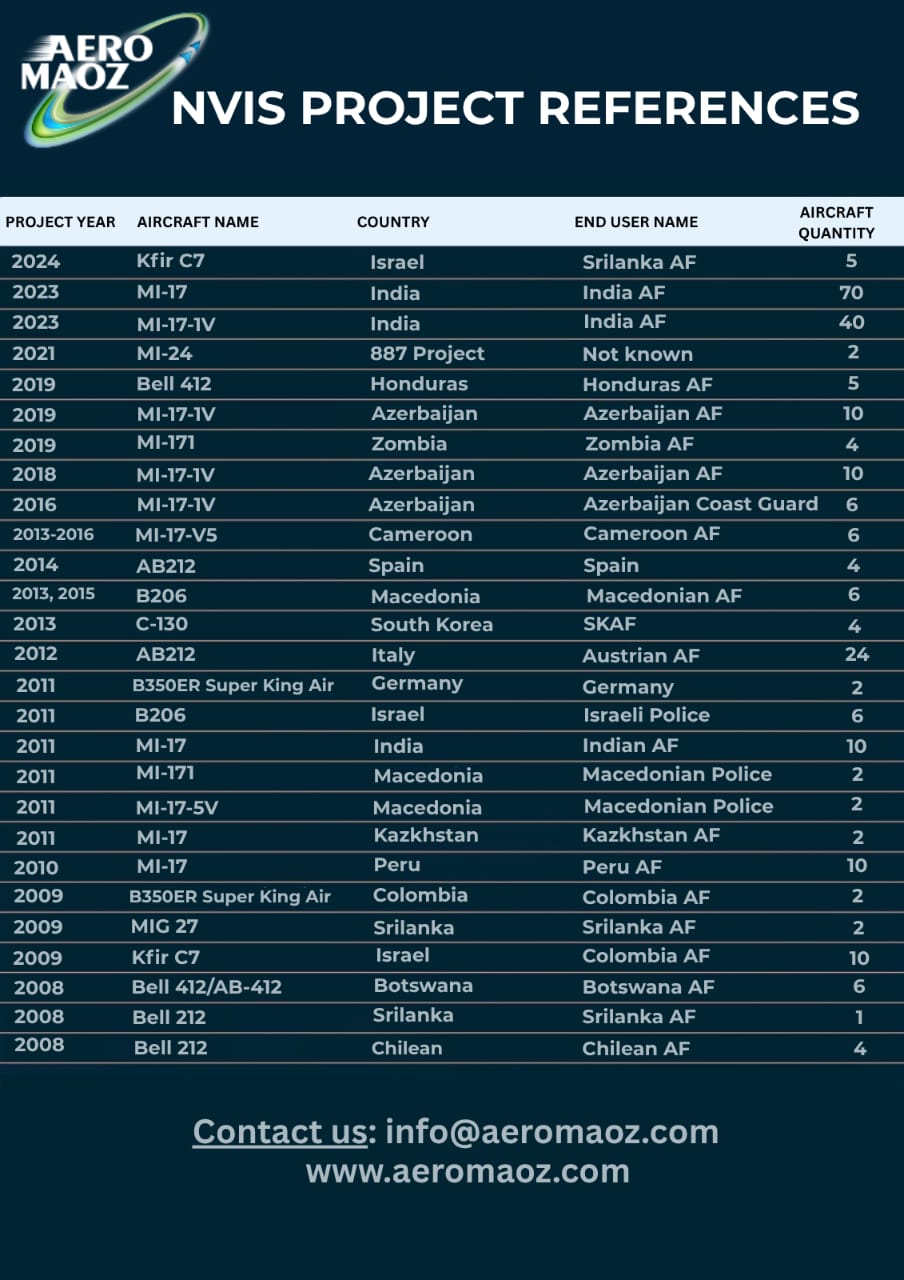
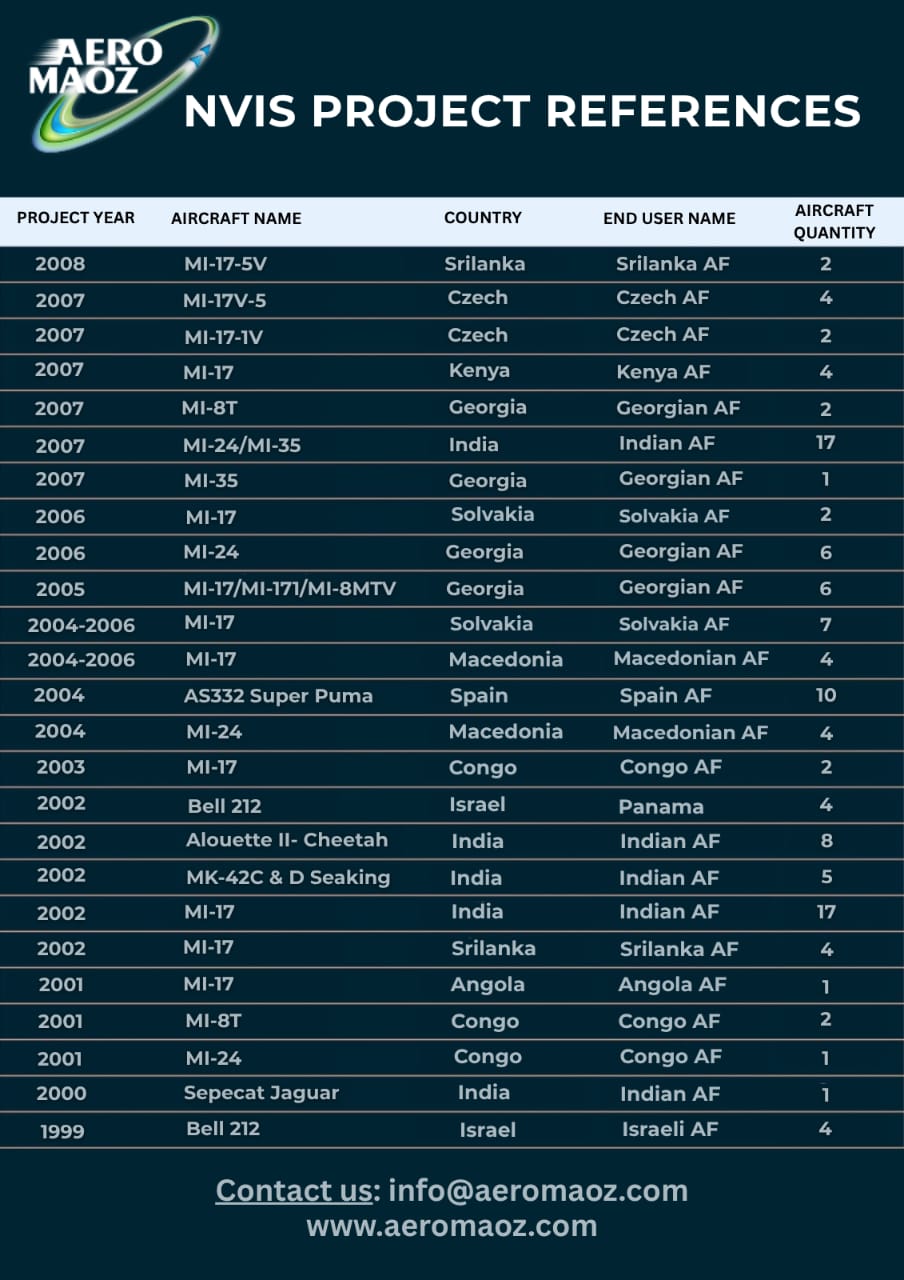
25 years of converting HMI systems to function under NVIS conditions:

Download our list of projects – 2008-2024

Download our list of projects – 1999-2008

WORTH READING /

Future of Aerospace HMI: How It Is Shaping Future Cockpits

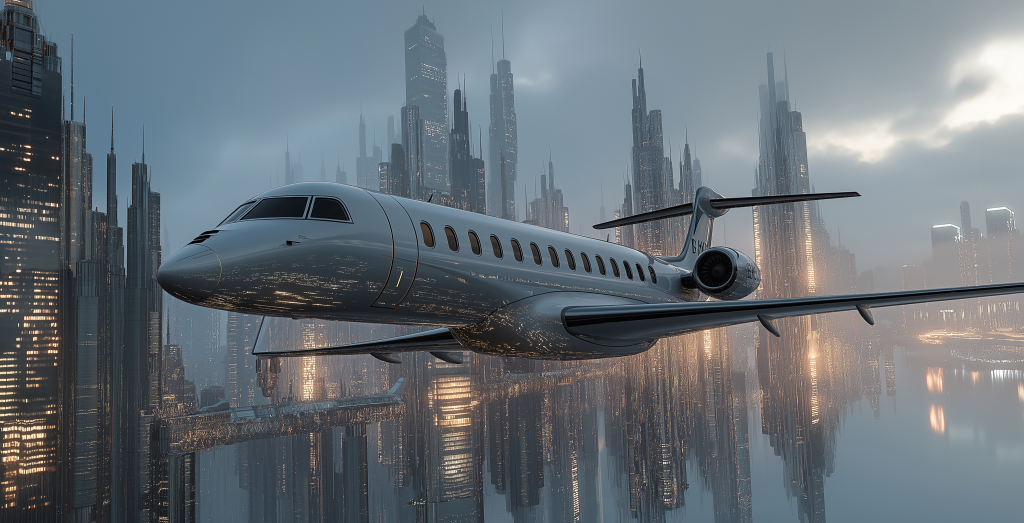
The aerospace industry stands at the cusp of a revolutionary transformation in human-machine interface (HMI) technology. As aircraft become increasingly sophisticated and autonomous systems take on greater roles, the design of aerospace HMI systems is fundamentally reshaping how pilots interact with their aircraft. Future cockpit design is no longer just about arranging switches and displays – it’s about creating intelligent, adaptive interfaces that enhance safety, reduce pilot workload, and enable new operational capabilities.
The Evolution of Aerospace HMI

Traditional cockpits, with their arrays of analog gauges and mechanical switches, are rapidly giving way to glass cockpits featuring integrated digital displays. However, the next generation of aerospace HMI goes far beyond simple digitization. Modern aircraft like the Boeing 787 Dreamliner and Airbus A350 already showcase advanced HMI concepts, but these represent just the beginning of a more profound transformation.

Today’s aerospace HMI systems must balance multiple competing demands: providing comprehensive information while avoiding overload, maintaining reliability in extreme conditions, supporting both routine operations and emergency responses, and adapting to pilots with varying experience levels. At Airomaoz, we understand these challenges intimately, developing rugged HMI solutions that meet the demanding requirements of mission-critical aerospace applications.

Key Technologies Driving Future Cockpit Design

  1. Adaptive and Context-Aware Displays

Future cockpit design increasingly incorporates adaptive displays that change based on flight phase, weather conditions, and operational requirements. During takeoff, displays might prioritize engine parameters and runway information. In cruise, they shift to navigation and fuel efficiency data. During approach, critical landing information takes precedence.

These intelligent systems reduce pilot workload by presenting relevant information exactly when needed, eliminating the need to search through multiple screens or menus. Advanced aerospace HMI solutions now include predictive algorithms that anticipate pilot needs based on current flight conditions and historical patterns.

  1. Augmented Reality (AR) Integration

AR technology is revolutionizing aerospace HMI by overlaying critical flight information directly onto pilots’ view of the outside world. Head-up displays (HUDs) have evolved into sophisticated AR systems that can highlight terrain, identify other aircraft, and provide visual guidance for navigation and landing procedures.

Enhanced flight vision systems (EFVS) combine infrared sensors with AR displays to enable operations in low visibility conditions. These systems represent a fundamental shift in how pilots perceive and interact with their environment, making aerospace HMI an extension of human vision rather than a separate information source.

  1. Touch and Gesture Control

While physical controls remain essential for critical functions, touchscreen technology is increasingly integrated into future cockpit design. Modern rugged touchscreens can operate reliably in turbulent conditions, with gloved hands, and across extreme temperature ranges. Advanced haptic feedback provides tactile confirmation without the weight and complexity of mechanical switches.

Gesture control systems allow pilots to manipulate displays and controls through hand movements, reducing the need for direct physical contact. This technology is particularly valuable in military applications where pilots wear thick gloves or operate in contaminated environments.

  1. Voice Recognition and Natural Language Processing

Sophisticated voice control systems are becoming integral to aerospace HMI design. Unlike consumer-grade voice assistants, aviation systems must understand complex technical terminology, operate in noisy environments, and maintain near-perfect accuracy. Modern systems can execute multi-step commands, query aircraft systems, and even engage in conversational interactions about flight planning and system status.

Natural language processing enables pilots to interact with aircraft systems using everyday language rather than memorized command syntax. This reduces training requirements and cognitive load while maintaining the precision necessary for safe flight operations.

Human Factors and Ergonomic Considerations

Future cockpit design must account for human limitations and capabilities. Aerospace HMI developers increasingly employ eye-tracking technology to understand how pilots scan instruments and to optimize display layouts accordingly. Biometric monitoring can detect pilot fatigue or stress, triggering interface adaptations to maintain safety.

Ergonomic considerations extend beyond physical comfort to cognitive ergonomics – how information is processed and decisions are made. Modern aerospace HMI systems incorporate principles from cognitive psychology to present information in ways that align with human perception and decision-making processes.

Cybersecurity and Resilience

As aerospace HMI systems become more connected and software-dependent, cybersecurity becomes paramount. Future cockpit design must incorporate robust security measures while maintaining the reliability and real-time performance critical to flight safety. This includes secure boot processes, encrypted communications, and intrusion detection systems specifically designed for aviation environments.

Resilience goes beyond cybersecurity to encompass system redundancy and graceful degradation. Modern aerospace HMI designs ensure that critical functions remain available even when advanced features fail, maintaining safe flight operations under all conditions.

Integration with Autonomous Systems

The rise of autonomous flight systems fundamentally changes the pilot’s role from manual controller to systems manager and decision-maker. Aerospace HMI must evolve to support this transition, providing clear visualization of autonomous system status, intuitive override controls, and effective handoff procedures between human and machine control.

Future cockpit design must clearly communicate what the autonomous systems are doing, why they’re doing it, and what they plan to do next. This transparency builds pilot trust and enables effective human-machine collaboration.

Environmental and Operational Challenges

Aerospace HMI systems must perform flawlessly across extreme environmental conditions. From the -60°C temperatures at cruise altitude to the intense vibration of military fighter operations, these systems face challenges unknown in consumer electronics. At Airomaoz, our rugged HMI solutions are specifically engineered to meet these demands, incorporating military-grade components and extensive environmental testing.

Future designs must also accommodate new operational scenarios, including urban air mobility, supersonic flight, and eventually, space operations. Each environment presents unique HMI challenges that influence future cockpit design decisions.

Conclusion: The Path Forward

The future of aerospace HMI represents a convergence of advanced technologies, human factors engineering, and operational experience. As aircraft become more capable and missions more complex, the interface between pilot and machine becomes increasingly critical. Future cockpit design will continue to evolve, balancing automation with human control, complexity with simplicity, and innovation with proven reliability.

At Airomaoz, we’re committed to advancing aerospace HMI technology while maintaining the ruggedness and reliability that mission-critical applications demand. Our solutions contribute to safer, more efficient flight operations while preparing for the challenges and opportunities of tomorrow’s aviation landscape.

The transformation of aerospace HMI is not just about technology – it’s about enhancing human capability, improving safety, and enabling new possibilities in flight. As we look toward the future, the cockpit will continue to evolve, but the fundamental goal remains unchanged: creating interfaces that empower pilots to perform their vital roles safely and effectively.

WORTH READING /

Global Trends in Ruggedized Display Systems Development

The Future of Mission Critical HMI

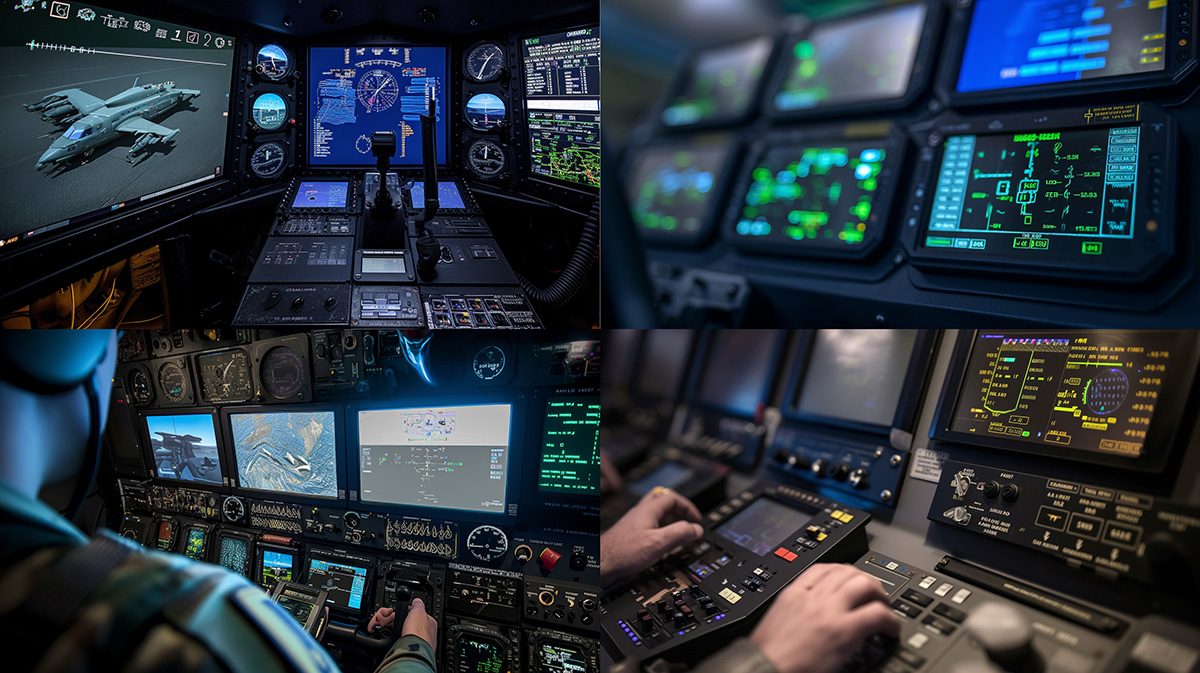
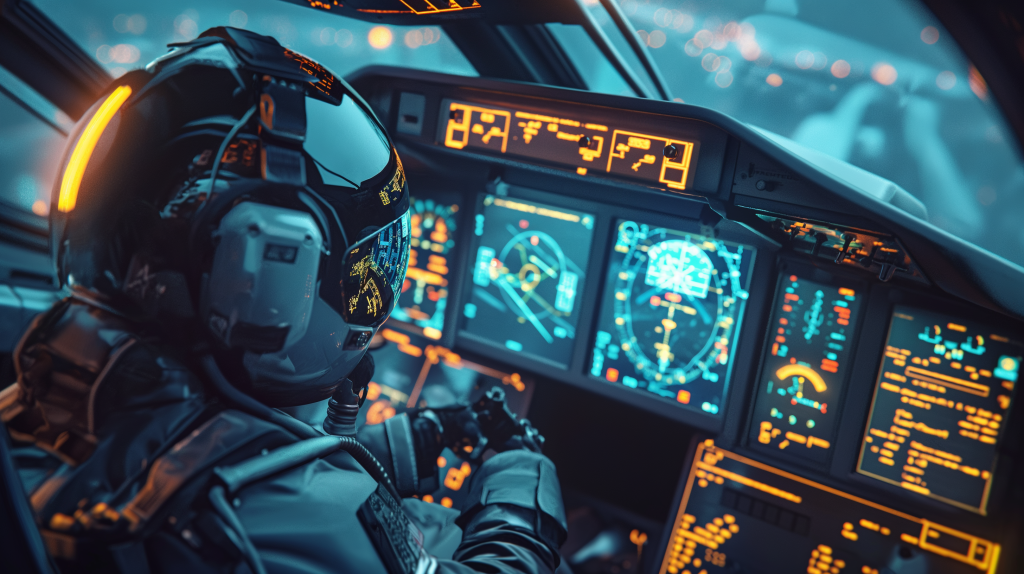
Modern military operations require unprecedented levels of information integration and presentation. The systems surrounding jet pilots and armored vehicle operators provide enormous amounts of data at every moment. In environments where every fraction of a second can determine mission outcomes, the demands on ruggedized touchscreens and human-machine interface (HMI) solutions continue to rise exponentially.

Today’s ruggedized displays must reliably and accurately present all necessary information at any given moment, without overwhelming operators with data that isn’t essential for the current mission. Advanced display systems leverage sophisticated capabilities to provide clearer operational pictures while reducing the mental workload on personnel in challenging environments.

Emerging Trends in Ruggedized Displays:

1. Augmented Reality (AR) and Virtual Reality (VR) Integration
AR technology is revolutionizing battlefield awareness by overlaying critical combat information onto real-world environments. For example, AR-enabled “glass” vehicles like the CV90 utilize external sensors to create a 360-degree real-time image for operators, effectively allowing them to “see through” armor. Meanwhile, VR is increasingly deployed for immersive training simulations and mission rehearsals, allowing personnel to practice complex scenarios in controlled settings before deployment.
2. Advanced Display Materials and Configurations
OLED and microLED displays are gaining significant traction in military applications due to their superior contrast ratios, color accuracy, and reduced power consumption compared to traditional LCD technology. Additionally, flexible and curved displays are emerging as innovative solutions for cockpit and vehicle integration, conforming to non-standard spaces while maximizing viewable area in confined environments.
3. Enhanced Night Vision and Infrared Compatibility
Modern ruggedized displays increasingly feature integrated night vision or infrared imaging capabilities, allowing operators to maintain situational awareness in low-light or no-light conditions. This eliminates the need to switch between different viewing systems, streamlining operations and reducing response times during critical moments.
4. AI-Powered Display Systems
Artificial intelligence is now being integrated into military displays to process data more effectively, prioritize critical information, and enhance decision-making during missions. These systems can learn from operator behaviors and mission parameters to present the most relevant information based on current circumstances, reducing cognitive load during high-stress situations.
5. 360-Degree Situational Awareness Systems
Technologies like IronVision provide complete visualization of the battlefield through vehicle armor, improving safety and operational effectiveness. These systems combine multiple camera feeds with sophisticated processing to create a unified, intuitive picture of the surrounding environment, eliminating blind spots that could compromise mission success.
6. Enhanced Connectivity and Data Integration
Networked displays now enable real-time data sharing across platforms, ensuring seamless communication between ground troops, vehicles, UAVs, and command centers. This interconnectivity facilitates faster decision-making cycles and improves coordination across diverse battlefield elements, creating a more unified operational picture.
7. Advanced User Interaction Technologies
Haptic feedback and gesture control features improve user interaction with displays by providing tactile feedback or enabling hands-free operation in high-stress environments. These technologies are particularly valuable when operators need to maintain focus on their surroundings while still interacting with complex systems.
8. Multi-Touch and Intuitive Interfaces
Contemporary military displays increasingly cater to intuitive interaction styles familiar to younger operators accustomed to consumer touchscreen devices. This reduces training time and allows personnel to leverage existing skills, making complex systems more accessible even under pressure.
9. Self-Healing Display Materials
Emerging technologies aim to increase durability by enabling displays to repair minor scratches or damage automatically. These self-healing materials extend operational lifespans in harsh environments and reduce maintenance requirements, ensuring displays remain functional even after sustaining minor damage.
10. Energy Efficiency Advancements
A growing focus on energy-efficient display systems ensures longer operational lifespans in power-constrained environments like UAVs or armored vehicles. These efficiency improvements enable extended mission durations and reduce the logistical burden of power generation and distribution in field conditions.

Industry Leadership in Ruggedized Display Innovation
For the past 40 years, we have been at the forefront of ruggedized display technologies for military platforms. Our company’s experts have acquired unique knowledge in the design, manufacturing, and quality assurance of mission-critical display systems. Aeromaoz’s advanced solutions leverage these capabilities to provide military operators with information advantage while minimizing cognitive burden during operations.
Our systems are designed to withstand extreme environmental conditions, including temperature fluctuations, vibration, shock, and electromagnetic interference—all while maintaining precise performance characteristics essential for mission success. Through continuous research and development efforts, we’ve pioneered numerous innovations that have become industry standards in fighter jets, armored vehicles, attack boats, and UAV applications.

Looking Forward

The integration of these technological advancements into ruggedized displays for military platforms represents a significant leap forward in operational capabilities. To enable better communication with our customers and lead to continuous improvement in their performance capabilities, we are pleased to share our vision regarding future trends in ruggedized display fields.

By incorporating these innovations into our products, we aim to enhance operational efficiency, reduce cognitive load on operators, and ensure mission success in even the most challenging environments. As battlefield complexity continues to increase, the evolution of human-machine interfaces will remain a critical factor in maintaining tactical advantage and protecting personnel in harm’s way.

The future of ruggedized displays isn’t just about technological advancement—it’s about creating systems that extend human capabilities while remaining intuitive enough to operate under the most demanding conditions imaginable. Through continued partnership with defense organizations worldwide, we remain committed to pushing the boundaries of what’s possible in this essential field.

WORTH READING /

Aeromaoz to Showcase Ruggedized Defense Solutions at Michigan Defense Expo 2025

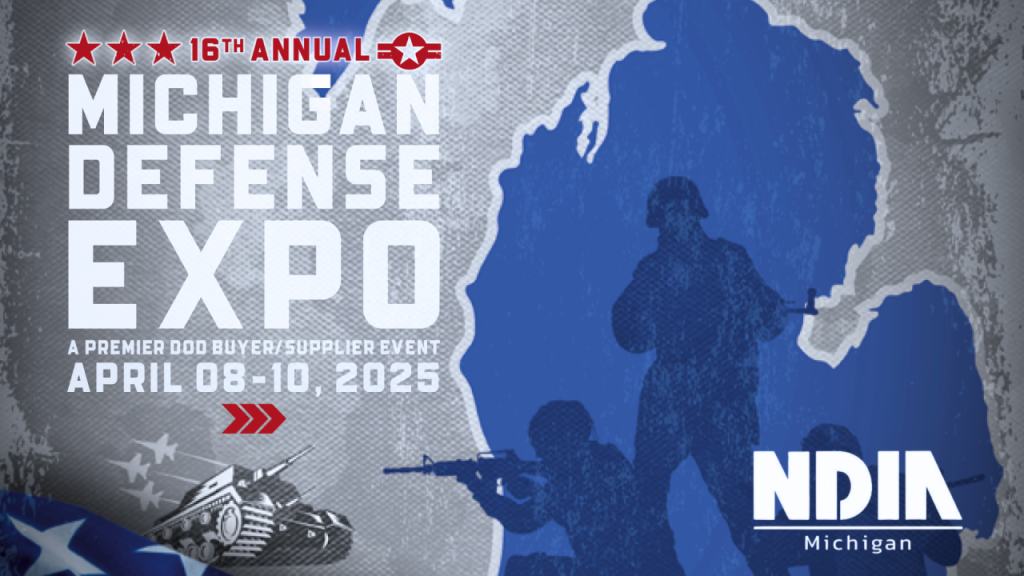
Aeromaoz will exhibit its advanced ruggedized HMI systems, and military-grade control solutions at the 16th Annual Michigan Defense Expo (MDEX) from April 8–10, 2025, in Warren, Michigan. Visit Hall F3 to explore our land based armored vehicle product innovations trusted by global defense leaders, and connect with the team to discuss mission-critical applications. Join industry professionals at Macomb Community College for this premier DoD networking and procurement event. https://mdex-ndia.com